Since this is a translation of an overseas article, there may be mistranslations.
https://hothardware.com/news/scientists-turn-plastic-waste-into-parkinsons-drug
Scientists Turn Plastic Waste into Parkinson's Drug: An Amazing Medical Breakthrough
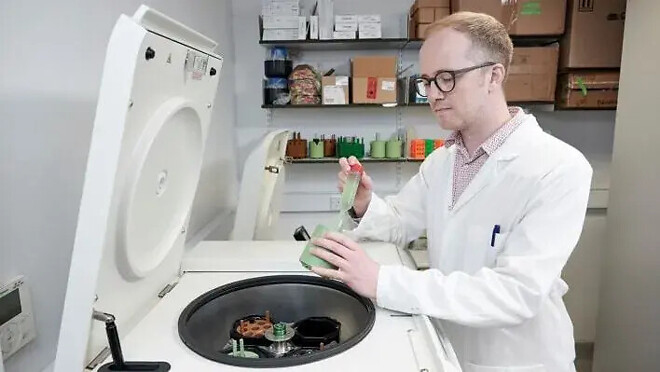
Scientists at the University of Edinburgh have succeeded in transforming common plastic waste into a high-value raw material for Parkinson's disease treatment. The research team used genetically modified E. coli bacteria to convert polyethylene terephthalate (PET) into adipic acid, which was then synthesized back into essential pharmaceutical ingredients. This is a case that proves how the circular economy can sometimes extend into the realm of neuroscience.
The process begins with breaking down PET, a plastic found everywhere from single-use water bottles to food packaging. Current PET recycling produces low-quality plastics that ultimately end up in landfills. However, the University of Edinburgh team led by Professor Stephen Wallace has pioneered a biological approach. They used a chemo-biological fusion method, first using chemical catalysts to break down the plastic into its basic monomer terephthalic acid. Then, genetically modified E. coli programmed to consume terephthalic acid were introduced, undergoing a series of enzymatic reactions to convert it into muconic acid and then adipic acid.
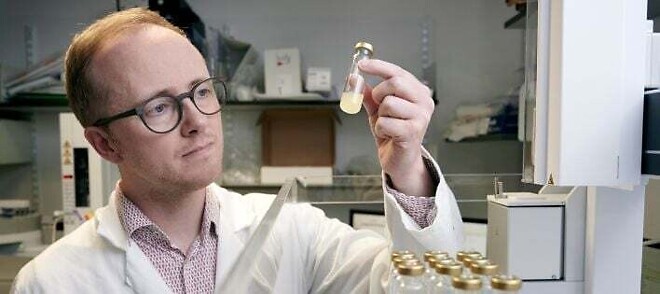
Adipic acid is a versatile industrial raw material, but the real breakthrough of this study lies in its further conversion into vanillin and other catechol derivatives. In this study published in Nature, the research team focused on synthesizing levodopa (L-DOPA), a key drug used to manage motor symptoms of Parkinson's disease. L-DOPA works by increasing dopamine levels in the brain and is typically produced using petroleum-based raw materials. By sourcing these raw materials from plastic waste instead of fossil fuels, this study demonstrates a double benefit: reducing non-biodegradable waste while lowering the carbon footprint of pharmaceutical manufacturing.
This achievement truly showcases what synthetic biology can accomplish. The research team optimized the metabolic pathways of E. coli to enable the bacteria to withstand the chemical toxicity of plastic derivatives while stably producing the target compound. This 'upcycling' is significantly more valuable than simple recycling. While a discarded plastic bottle has a value close to zero, the pharmaceutical compounds derived from it are worth thousands of dollars per kilogram.
As the world's population ages, the prevalence of Parkinson's disease is expected to rise, leading to an increased demand for affordable L-DOPA. At the same time, the world grapples with over 380 million tons of plastic waste annually. This achievement, which integrates these two crises into a single solution at a crucial juncture in health and environmental policy, could not have come at a more opportune time.
▶ Original source: https://hothardware.com/news/scientists-turn-plastic-waste-into-parkinsons-drug