Since this is a translation of an overseas article, there may be some inaccuracies.
https://www.ecoustics.com/products/samsung-music-studio-7-5/
Samsung’s Music Studio 7 and 5 Wi-Fi speakers have debuted, boasting bold design, multiroom flexibility, and Atmos support. But can they challenge the likes of Sonos and Bluesound?
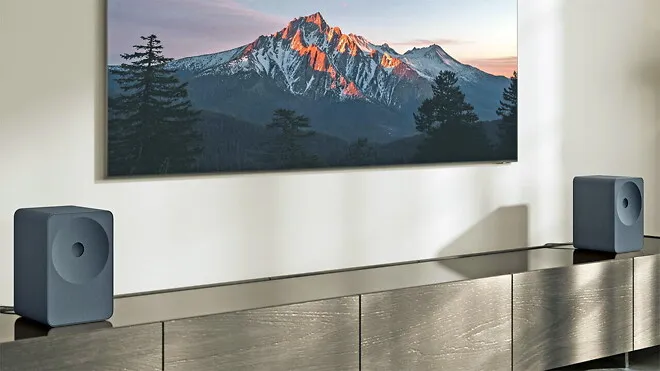
While Samsung has spent much of the last decade dominating the TV market and building a soundbar empire, dedicated two-channel speakers and a whole-home music ecosystem have been off the table until now. But with the Music Studio 7 (LS70H) priced at $499 and the Music Studio 5 (LS50H) at $299, Samsung is making a direct move into the 2026 wireless home audio market, and it’s not doing so quietly.
Following the launch of its latest OLED, Neo QLED, Mini LED, and The Frame TVs, the new Wi-Fi speakers were first previewed at CES 2026 and are now fully detailed. Combining even more refined and space-friendly sound with Erwan Bouroullec’s unique “Dot” design, these speakers stand out from the countless boxy options on the market. Samsung isn't chasing bigger or flashier; it's aiming for a design that people will actually want to look at for more than five minutes, combined with flexible multiroom functionality and true two-channel performance.
What sets the Samsung Music Studio speakers apart from most competitors is their ability to be used as part of a whole-home audio system (up to 10 speakers) as well as a multi-speaker home theater audio system (up to five speakers).
Music Studio 7 and 5 Shared Features
Here are some key features shared by the Music Studio 7 and 5:
Style: The Music Studio 7 and 5 feature a unique “Dot” design concept created by renowned designer Erwan Bouroullec. This idea draws inspiration from universal symbols found in music and visual art, while also grounding itself in Samsung’s current industrial design language. As a result, the speakers draw attention without shouting, blending naturally into any room. This is often what people truly desire from their speakers.
Wireless Streaming: The Music Studio speakers support both Bluetooth and Wi-Fi streaming and are compatible with Google Cast, AirPlay, and Roon Ready systems. This provides users with practical flexibility across platforms without being locked into a single ecosystem.
Voice Assistants and Control: Users can control the Music Studio 7 and 5 using voice commands through Alexa, Google Assistant, and Bixby. Beyond voice control, physical controls on the speaker unit and (soon-to-be-released) Samsung Sound app offer additional options. There’s also a dedicated Spotify Connect button for direct playback. A traditional remote is not included.
Audio Rap Pattern Control: This technology manages how sound is distributed across channels, reducing overlap and congestion to ensure that effects, music, and dialogue remain clearly defined.
AI Dynamic Bass Control: Designed to deliver deeper, more controlled bass while minimizing distortion, this system supports high-resolution audio up to 24bit/96kHz and dynamically adjusts bass output in real time.
Active Voice Amplifier Pro: Samsung’s AVA analyzes ambient noise in real time to ensure that voice audio remains clear and understandable. Enabling this feature boosts dialogue from the Music Studio 7 and 5, allowing you to hear voices more easily over background noise without increasing the overall volume. This is particularly useful when listening to podcasts, audiobooks, weather reports, and news broadcasts in a busy household.
Wireless Dolby Atmos: The Music Studio 7 includes an upward-firing driver for height effects as part of its Dolby Atmos-compatible HDMI eARC connection. However, the Music Studio 5 does not offer either of these features. Both speakers can play Dolby Atmos music wirelessly from compatible streaming services. However, the Music Studio 5 virtualizes height effects while the Music Studio 7 provides a dedicated upward-firing driver for height channels. When used with compatible Samsung TVs and specific streaming sources, both speakers can become part of a wireless Dolby Atmos system. (Pro tip: Samsung’s implementation of wireless Dolby Atmos is not identical to Dolby Atmos FlexConnect. While the two systems share some features and functionality, they are distinct implementations.)
Eclipsa Audio: Integrated into Samsung’s Music Studio wireless speakers is Eclipsa Audio, an open immersive surround sound format developed in collaboration with Google and other companies. Similar to Dolby Atmos, Eclipsa Audio expands traditional surround sound by adding height information. Using content encoded with Eclipsa Audio, sound can be heard from all around the listener, including above. This creates a more enveloping listening experience that mimics real-life 3D audio. Currently, Eclipsa Audio is the only immersive surround sound format supported by YouTube.
Q-Symphony: This feature allows Music Studio speakers to work together with compatible Samsung TVs, soundbars, and Wi-Fi speakers to create a more immersive home theater system. Q-Symphony supports pairing up to five Samsung audio devices and can automatically optimize sound based on the speaker placement in the room.
SpaceFit Sound Pro: Built into both Music Studio models are Samsung’s built-in microphones for its SpaceFit spatial correction technology. SpaceFit analyzes your listening environment and adjusts the output accordingly. It can be automatically recalibrated daily or whenever the speaker is moved.
Waveguide: This design feature helps distribute sound more evenly throughout a room, improving coverage so that listeners experience consistent audio regardless of their position.
Music Studio 7 (LS70H)
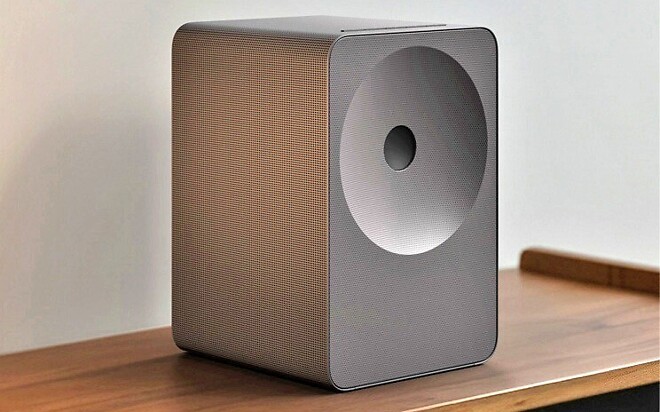
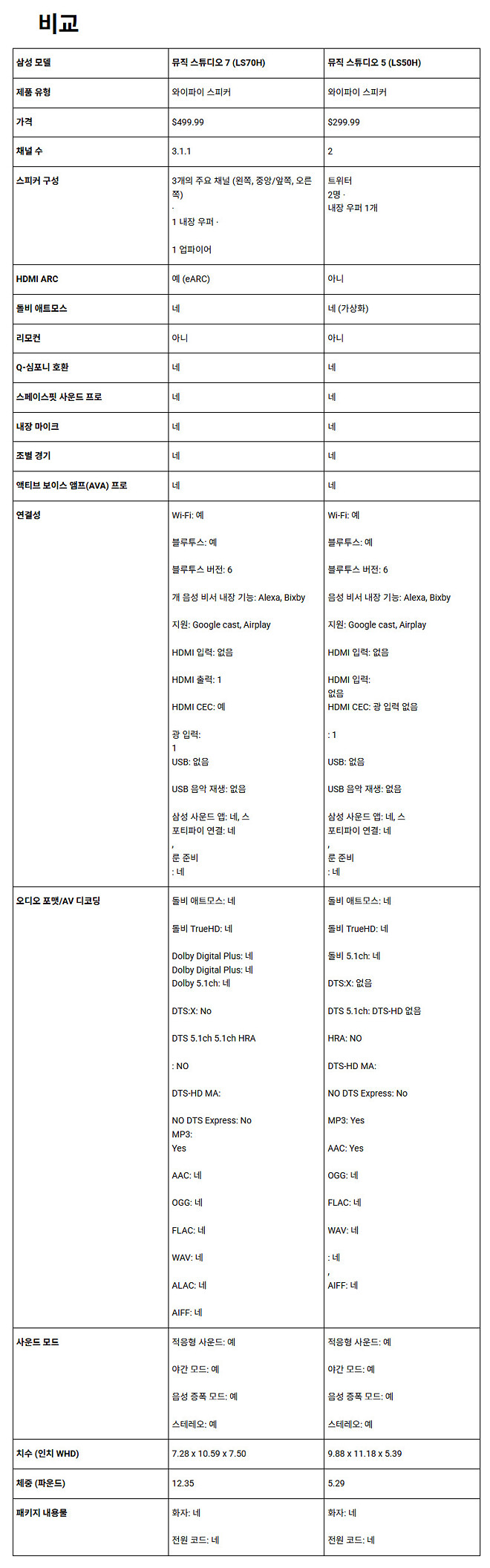
Music Studio 7 (LS70H) is the flagship model of Samsung's 2026 Wi-Fi speaker lineup, designed to deliver a more immersive listening experience from a single enclosure. Its exterior features the signature curved rectangular shape of the series. Internally, Samsung implemented a 3.1.1 channel configuration, including a built-in subwoofer. Left, right, center, and upward-firing drivers work together to create convincing height perception and spatial depth without a full surround sound system.
Size: 7.28 x 10.59 x 7.50 inches
Weight: 12.35 pounds
Music Studio 5 (LS50H)
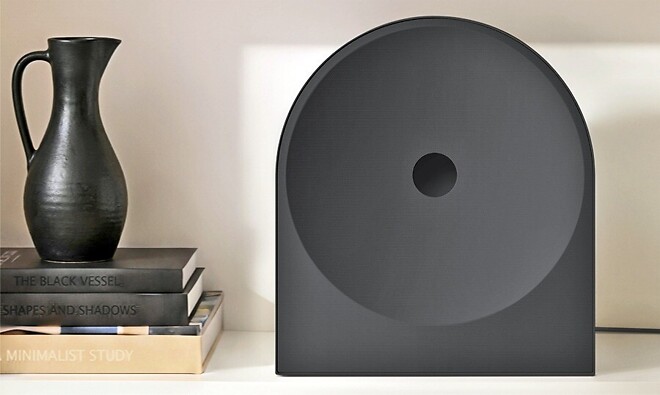
Music Studio 5 (LS50H) sits below Music Studio 7 in Samsung's 2026 Wi-Fi speaker lineup. It features a different design approach with a rounded top half and a rectangular base, giving it a more interior-friendly feel than most wireless speakers. It can play stereo sound on its own or be paired with a second unit for a wider and more enveloping soundstage. While there are no built-in height speakers, it can still reproduce virtualized Dolby Atmos immersive audio.
Like the Music Studio 7, the LS50H is designed to deliver controlled bass with minimal distortion. It supports modern connectivity options such as Wi-Fi casting, streaming services, voice control, and Bluetooth for seamless everyday use. Internally, the Music Studio 5 uses a 2-channel configuration with a 4-inch woofer and dual tweeters, balancing clarity, low-end presence, and a form factor that blends more easily into real-life living spaces.
Size: 9.88 x 11.18 x 5.39 inches
Weight: 5.29 pounds
Music Studio 7 and Music Studio 5 represent Samsung's most promising foray into wireless home audio and 2-channel audio. What sets them apart is not just a list of features, but the combination of design, versatility, and ecosystem integration. Bouroullec's "Dot" design lends a much-needed visual identity to most wireless speakers, while Wi-Fi streaming, Rune, AirPlay, Google Cast, and Q-Symphony support provide significantly higher adaptability than typical plug-and-play boxes.
Samsung is intentionally blurring categories here. The Music Studio speakers are more than just lifestyle speakers. They can function in stereo mode, be paired with each other for wider stereo separation, handle Dolby Atmos music, be placed in a multiroom system, or be integrated into a home theater setup with a Samsung TV. This versatility is clearly where Samsung aims to differentiate itself.
However, there are trade-offs. The lack of analog inputs, USB playback, and phono jacks means that traditional source devices cannot be used without workarounds. If your system still revolves around physical media or external components, these products are not for you.
The competition is fierce. Sonos, Bluesound, Denon HEOS, Apple HomePod, and high-end lifestyle brands like Naim are all vying for a share of this market, with many offering deeper ecosystems or better support for wired sources. Samsung is betting that its design, TV integration, and Harman-tuned audio will be enough to draw people in.
Who are these products for? Not purists who stack equipment racks and spin vinyl on a Thorens turntable in the corner. They're for those building a modern system around streaming, multiroom audio, and a Samsung TV, who want something that looks good, sounds better than a soundbar alone, and doesn't take a weekend to set up.
Samsung is not simply filling a gap here. It's attempting to carve out a new path between soundbars and traditional stereo systems. Whether that path will be successful depends on how good these speakers actually sound (our initial listening sessions are optimistic), but for the first time, it feels like Samsung is asking the right questions.
Pricing and Availability
Samsung Music Studio 7 (LS70H): $499.99 (Black) according to Samsung's official website
Samsung Music Studio 5 (LS50H): $299.99 (Black or White) according to Samsung's official website▶ Original source: https://www.ecoustics.com/products/samsung-music-studio-7-5/