
Since this is a translation of an overseas article, there may be some inaccuracies.
https://www.avpasion.com/china-pantalla-nano-qled-169333-ppi-barbaridad/
China Unveils a 169,333 PPI Nano QLED Display: Looking Beyond OLED
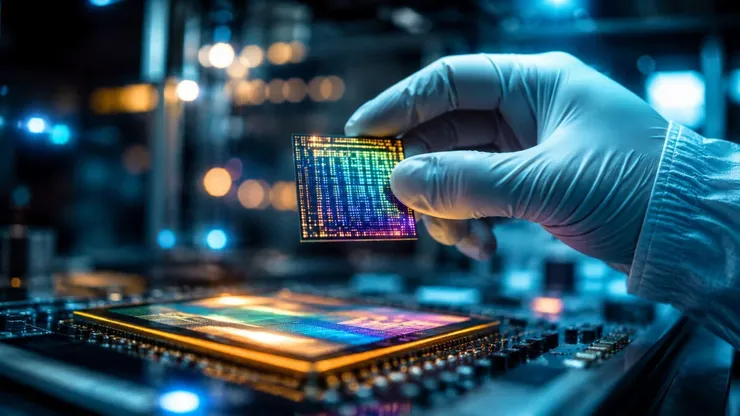
China's latest move is now bordering on the fantastical. This time, they have unveiled a development straight out of science fiction. And this isn't just another story about a massive TV with countless nits and features. It's about nano QLED technology capable of achieving a pixel density of 169,333 pixels per inch – a number so staggering it's hard to grasp.
This groundbreaking research is the result of a collaboration between Tianjin University of Technology and Fuzhou University, and has been published in Nature Photonics. The key idea involves using nanoimprint lithography and capillary self-assembly techniques to manufacture ultra-fine QLED pixels approximately 70 nanometers in size. While it may seem like lab research, this is a significant event for the display industry.
Of course, we're not talking about TVs that we can buy tomorrow. This technology is aimed at microdisplays, augmented reality (AR) glasses, VR, and future ultra-high-density screens where each pixel matters immensely. And in those fields, even OLED, the current champion, has limitations when it comes to high brightness, longevity, and ultra-pure colors.
Nano QLED: Ridiculously Small Pixels and Density That Makes Any Current Screen Pale in Comparison
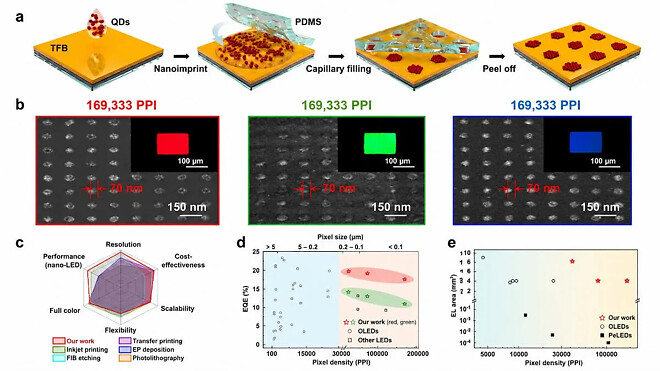
To understand this innovation, simply look at the key data point: 169,333 PPI. Current premium smartphones hover between 400 and 500 PPI, already considered sufficient as pixels become indistinguishable to the naked eye. This technology, however, is playing in a completely different league, designed for screens placed very close to the eye.
The key lies in QLED pixels approximately 70 nanometers in size. According to the research team, this enables the smallest pixel size and highest density ever reported for this type of device. The intriguing part is that it doesn't just stop at making pixels small; it maintains a certain level of efficiency while doing so. In tests, red, green, and blue devices achieved average efficiencies of 17.0%, 10.5%, and 5.7% respectively.
The allure of these lab technologies often lies in their staggering numbers, only to crumble when it comes to crucial aspects like brightness or efficiency. However, this time the research team also mentions compatibility with flexible substrates and a full-color quantum dot (QD) matrix, suggesting that this isn't just a demonstration for photography.
It Won't Kill OLED Tomorrow, But It Shows Where the Next Display War Is Headed
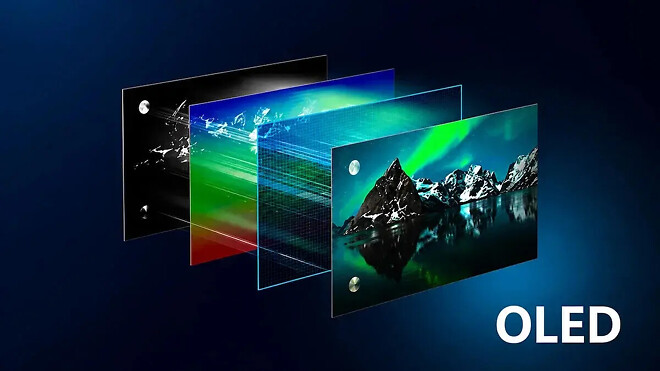
There's no need to get carried away. This doesn't mean OLED is dead or that we'll have 65-inch nano QLED TVs in our homes within two years. In fact, the focus of this research is more on visual proximity displays with extremely high resolutions, brightness, and color requirements.
Nevertheless, the message is clear: China is aggressively pushing display technology beyond LCD and OLED. Inorganic QLED boasts several advantages, including high color purity, excellent stability, and a wide color gamut, making it well-suited for the future of augmented reality and premium headsets.
Personally, what makes this development particularly interesting is that it's not just slapping a new sticker on existing technology. Here we are talking about nanometer-scale manufacturing, ridiculously small pixels, and a promising path towards denser and more efficient screens.
In reality, this could be a very good hint as to where the industry is headed when OLED starts hitting its limits in certain areas.
▶ Source: https://www.avpasion.com/china-pantalla-nano-qled-169333-ppi-barbaridad/