This article is a translation and may contain inaccuracies.
https://www.avpasion.com/boe-oled-lg-china-prepara-fabrica-woled-lcd/
BOE Converts 8.5-Generation LCD Line to WOLED: OLED Market Offensive
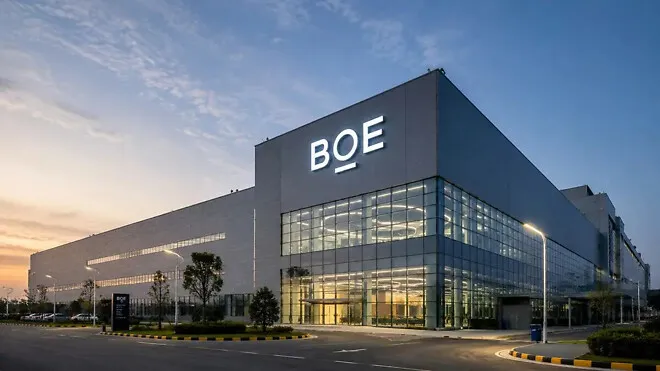
Really big news has just come out of the display panel industry. This isn't a story about some obscure technology that was promised in a lab or unveiled at a trade show. It's much more real, and therefore much more interesting. BOE is preparing to convert an 8.5-generation LCD line into a WOLED production line.
This is a huge deal because WOLED is the technology LG Display has used for years to dominate the large OLED TV market. So far, when it came to large OLEDs, LG Display's WOLED and Samsung Display's QD-OLED were the only options. These two Korean companies each had their own secrets and divided up the premium market.
But now BOE is jumping into the fray in earnest. For now, it seems to be focusing more on OLED monitors and laptops than TVs, but we need to look further ahead. If China starts WOLED production seriously, even if it's initially for IT products, it wouldn't be surprising to think that the next step would be to pressure the TV panel market as well.
BOE converting an LCD line to WOLED is its first serious step in attacking a market dominated by Korea.

BOE is reportedly converting its B18 factory, an 8.5-generation LCD plant located in Nanjing, to produce WOLED panels. The expected production capacity is said to be between 16,000 and 18,000 panels per month. While this isn't a huge amount compared to the giants in Korea, it's certainly not insignificant.
For comparison, LG Display has a large OLED production capacity of around 90,000 panels per month, and Samsung Display can produce about 48,000 QD-OLED panels per month. So BOE isn't making a flashy entrance with massive production capacity. However, China has shown time and again its strategy: start small, validate customers, confirm market viability, and then accelerate.
And I think this is the key point of this whole situation. BOE has already completed a WOLED pilot test in Hefei and is reportedly preparing to supply limited 24.5-inch OLED panels for Asus monitors later this year. It's not just stopping at impressive presentations. Even if it's limited, BOE has already taken its first commercial step, and the Nanjing factory will be the next domino.
WOLED is More Than Just an Acronym: It's the Foundation of LG's OLED Empire
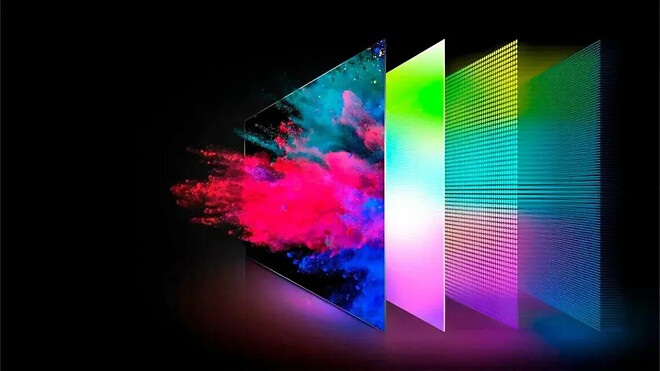
The way WOLED technology works is fairly simple: the panel emits white OLED light, which then passes through color filters to create the final image. This has been the foundation for LG Display's ability to manufacture large OLED panels for TVs for years, and it has sold these panels not only to LG Electronics but also to other brands, including Samsung Electronics in some models.
So this move is significant. BOE isn't trying to invent some obscure technology just to make headlines. It's entering a premium market with a well-known and proven structure. And this is certainly not good news for LG Display.
That doesn't mean we should get overly excited. This doesn't mean that tomorrow we'll see 65-inch OLED TVs from BOE at incredibly low prices in every store. According to information, the focus is mainly on monitors and laptops, and these are the areas where BOE wants to gain momentum first. But in most sectors, including the panel market, what matters most isn't where you start, but how far you can expand when things go well.
Korea Dominates the Monitor OLED Market, but China is Knocking
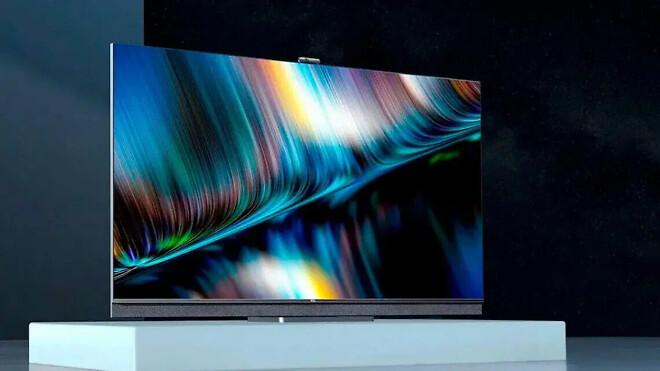
The OLED monitor market is still relatively small compared to the TV market, but it's growing quite rapidly thanks to the insatiable desire of some gamers, premium PC users, and those who want a massive screen on their desks. According to data cited by Korean media, last year's OLED monitor penetration rate was around 2%. Samsung Display led the market with over 70% share with QD-OLED, while LG Display recorded a share of around 20% with WOLED.
So, for now, it's natural that Korean companies are leading. But BOE is not just a small passing company. It's one of the top panel manufacturers in China, and we've already seen this same trend play out in the LCD market. They started with small volumes, then made massive investments and spared no industrial support, and before you knew it, China had completely changed the balance of the LCD market.
That doesn't mean that the exact same thing will happen in the OLED market tomorrow or the day after. But it does feel like a first cornerstone. If monitor production starts to become profitable and brands like ASUS start buying their panels, Korea will face a painful problem.
And if everything goes smoothly, we as consumers will see more downward pressure on prices, a wider variety of panels, and more active technological movement. Of course, LG and Samsung will undoubtedly maintain their edge, experience, and leverage. But China is no longer just watching OLED from the sidelines. BOE has stepped onto the field, and when China steps onto the display playing field, it's usually not just to play a friendly match.
▶ Original Source: https://www.avpasion.com/boe-oled-lg-china-prepara-fabrica-woled-lcd/